
Complexity-based Control Systems: A Safeguard Against the Fragility Cliff
Incorporating AI into the industry and other branches, such as network and infrastructure management or manufacturing and production, will increaseContinue Reading
is powered by Quantitative Complexity Management
Incorporating AI into the industry and other branches, such as network and infrastructure management or manufacturing and production, will increaseContinue Reading
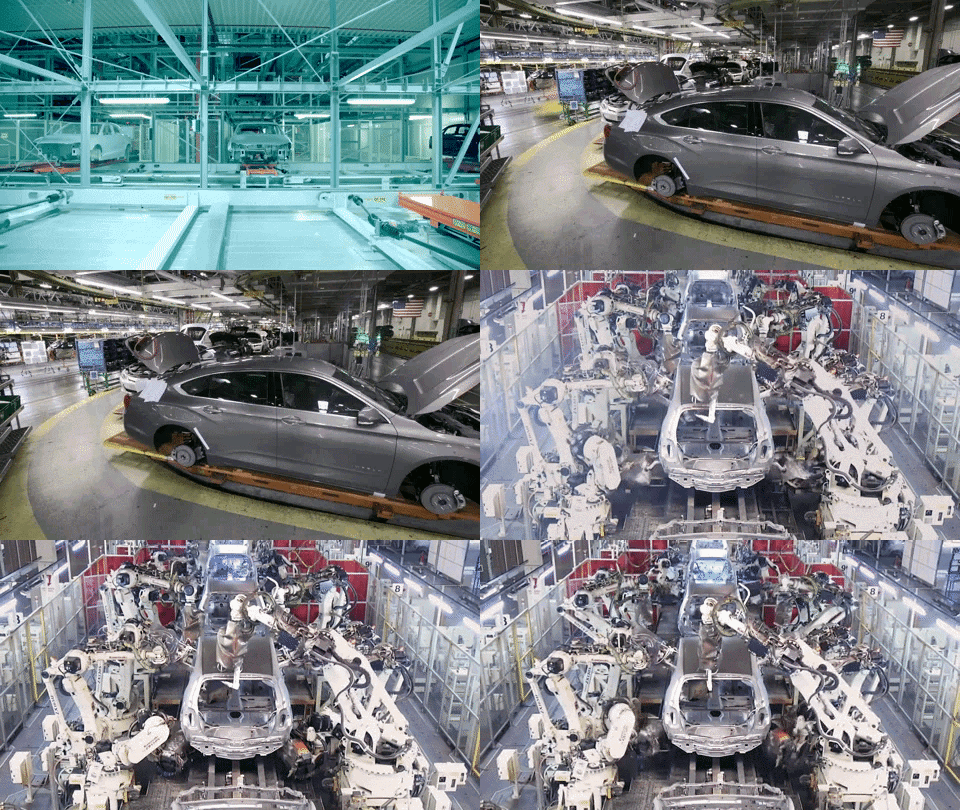
SCADA (Supervisory Control and Data Acquisition) is an industrial control system architecture used for high-level supervision and control of geographicallyContinue Reading

Artificial Intuition, as defined by Ontonix, is 4th-generation AI technology that doesn’t require historical data and training. Instead, it examinsContinue Reading

Here are some facts about what Artificial Intuition can and cannot do in Operating Rooms during surgery and in IntensiveContinue Reading

We provide our computational engine OntoNet™ that can be integrated into any SW platform or IT infrastructure such as SCADA,Continue Reading

Since its founding in 2005, Ontonix has focused its QCM (Quantitative Complexity Management) technology on protection, problem prevention, ‘robustification’, earlyContinue Reading
The fastest and easiest way to try our QCT-powered Artificial Intuition technology is order a mini-PC with a pre-installed, six-monthContinue Reading

Following the Spanish blackout earlier this year, our post-mortem analysis has shown how Artificial Intuition could have provided a two-dayContinue Reading

The negative consequences of high complexity for corporations and organizations are profound and multifaceted, impacting efficiency, agility, and ultimately, theirContinue Reading

Complexity-based augmentation in control systems introduces an adaptive layer that allows real-time feedback, adjusting to the complexity of tasks and environments. Unlike traditional systems with fixed rules, this approach enhances performance and safety in uncertain scenarios. It aims to keep system complexity below critical thresholds to avoid instability. By integrating real-time complexity analytics, QCM control becomes proactive in predicting failures. Its dual role as a monitor and controller promises greater resilience for modern high-tech systems and products.
Have a WordPress.com account? Log in now.

